Natural Face Cream – Easy DIY Recipe
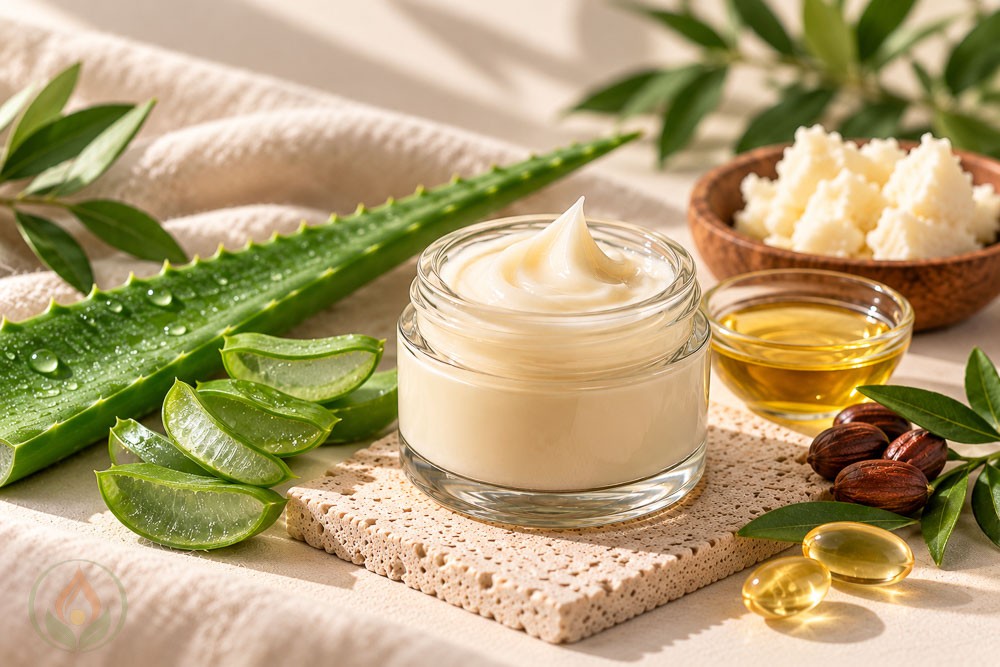
Would you like to make your own face cream? This recipe combines aloe vera gel, jojoba oil, shea butter and vitamin E to create a gentle, moisturizing cream for everyday skincare.
Making your own face cream allows you to choose ingredients that suit your skin and adjust the cream's consistency. Since the cream contains both water and oils, a suitable emulsifier and preservative are essential. This recipe uses Olivem 1000 as the emulsifier and Cosgard 221 as the preservative.
Ingredients
- Distilled water – 72.2 g
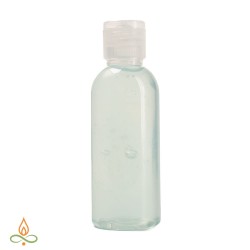
- Vegetable glycerin – 4 g
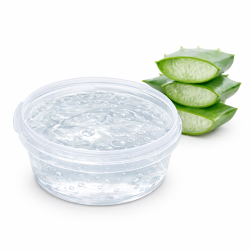
- Aloe vera gel – 5 g
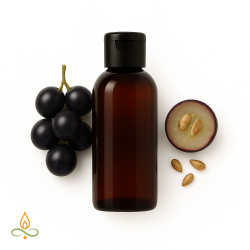
- Jojoba oil – 8 g
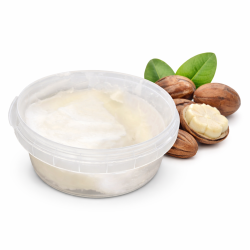
- Shea butter – 3 g
- Olivem 1000 emulsifier – 6 g
- Vitamin E oil – 1 g
- Cosgard 221 preservative – 0.8 g (0.8%)
Yield: 100 g of face cream.
Important: Some water may evaporate during heating. To maintain the correct ingredient proportions, weigh the container together with the water phase before heating and record its total weight. After heating, weigh it again and, if necessary, replace the evaporated water with distilled water to restore the original weight. Do this before combining the water and oil phases. If pH adjustment is required, the amount of pH adjuster used must also be included in the total 100 g formulation.
Note: Cosgard 221 is used at a concentration of 0.8% in this recipe. The recommended pH of the finished cream is 5.0–5.5. Before use, check the manufacturers' instructions for all raw materials and ensure that the ingredients are suitable for cosmetic formulations.
How to Make Face Cream
- Prepare your workspace. Clean and disinfect your work surfaces, utensils and cream container.
- Prepare the water phase. Combine 72.2 g of distilled water and 4 g of vegetable glycerin in a heat-resistant container. Weigh the container together with the ingredients and record the total weight.
- Prepare the oil phase. In a separate heat-resistant container, combine 8 g of jojoba oil, 3 g of shea butter and 6 g of Olivem 1000 emulsifier.
- Heat both phases. Heat both phases in a water bath to approximately 70–75 °C, allowing the shea butter and Olivem 1000 to melt completely. Both phases should be at approximately the same temperature before combining. Check the weight of the water phase before combining the phases and, if necessary, replace any evaporated water with distilled water.
- Combine the phases. Gradually add the oil phase to the water phase while mixing with a suitable mixer. Continue mixing until a uniform emulsion forms.
- Cool and add the remaining ingredients. Continue stirring as the cream cools. When the temperature drops below 40 °C, add 5 g of aloe vera gel, 1 g of vitamin E oil and 0.8 g of Cosgard 221 preservative. Mix thoroughly to ensure all ingredients are evenly distributed throughout the cream.
- Check the cream. Measure the pH of the finished cream using a method suitable for emulsions. The recommended target pH is 5.0–5.5. If necessary, adjust the pH using a suitable cosmetic pH adjuster. Keep in mind that the amount of pH adjuster added affects the total weight of the formulation.
- Package the cream. Transfer the finished cream into a clean, disinfected jar or dispenser bottle.
How to Use
Apply a small amount of cream to clean facial and neck skin. Gently massage until absorbed.
The cream can be used in the morning and evening. Before using it for the first time, perform a patch test on a small area of skin.
Benefits of the Ingredients
Distilled water forms the water phase of the cream and helps provide a lightweight consistency.
Glycerin is a humectant that attracts moisture and helps maintain skin hydration.
Aloe vera gel helps hydrate the skin and provides a pleasant feeling when applied.
Jojoba oil softens the skin and helps reduce moisture loss.
Shea butter nourishes and softens dry skin while giving the cream a richer texture.
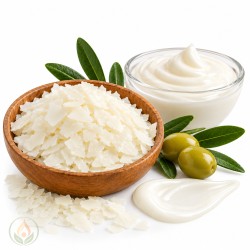
Olivem 1000 emulsifier helps combine the water and oil phases to create a uniform cream consistency. It is an emulsifier derived from olive oil components and is suitable for preparing various cosmetic emulsions.
Vitamin E acts as an antioxidant, helping protect the oils in the formulation from oxidation. It does not replace a preservative.
Cosgard 221 preservative helps protect water-containing cosmetic products against the growth of bacteria, yeasts and molds.
Storage
Store the cream in a clean, tightly closed container, following the storage recommendations provided by the ingredient and preservative manufacturers.
Important: Without appropriate microbiological testing and preservative efficacy testing, it is not possible to reliably determine the shelf life of homemade face cream. Discontinue use if you notice any changes in the cream's smell, color or consistency.
Tip: Olivem 1000 is used at a concentration of 6% in this recipe. The cream's consistency and stability depend on the emulsifier concentration, oil phase composition and preparation process. To achieve a uniform emulsion, follow the recommended heating temperature and mix both phases thoroughly.